“As those who engaged in arbitraging globalization prospered, those anchored to local markets grew increasingly marginalized.”
Sir Robin Niblett -Distinguished Fellow and former Director and Chief Executive, Chatham House (2007–2022)Foreign Affairs, 30 Mar. 2021
The business models of our largest firms have evolved quickly to adapt to changing technologies, and exploit arbitrage in wages. Small firms will either have to adapt themselves or just wither away as they approach retirement.
Why the sharp rise in offshoring among Big 4 firms?
According to Microsoft’s CoPiot service:
- Talent pinch: western graduate cohorts are shrinking while demand for data-heavy audit, ESG and cyber work is exploding.
- Margin pressure: fee caps on commoditised compliance work push firms toward 30-50 % labour-arbitrage saves.
- Remote-first mentality: once Covid proved that auditors and litigators could review files from the kitchen table, the psychological barrier to a Bangalore or Cebu location largely vanished.
- Tech stack convergence: the Big 4 and large law firms now run the same cloud-based work-paper, tax-prep or e-discovery platforms globally, making geographic placement almost irrelevant.
These are the same challenges faced by our smallest firms. However, small firms lack the international brand recognition needed to get the respect of policymakers, the university sector, or the business press.
So, how can small firms react to meeting these challenges?
- Talent pinch: purpose-built credentials for accounting technicians that aren’t focused on non-core skills (i.e. audit and strategic planning). An accounting technician working with small businesses only needs about 8 or so university courses instead of the roughly 40 required for an undergraduate degree. An undergraduate degree would be better as an aspirational goal for team leaders.
- Margin pressure: fee caps on commoditised compliance work push firms toward 30-50 % labour-arbitrage savings. Abandon the leverage model in favour of a rationalized offshoring or outsourcing approach.
- Remote-first mentality: once Covid proved that auditors and litigators could review files from the kitchen table, the psychological barrier to a Bangalore or Cebu location largely vanished. At least half of the more than 50 thousand small firms working in the accounting services industry are likely already working from home.
- Tech stack convergence: the Big 4 and large law firms now run the same cloud-based work-paper, tax-prep or e-discovery platforms globally, making geographic placement almost irrelevant.
- Practitioners need to share resources to build relevant capabilities for working with remote staff (and clients) providing:
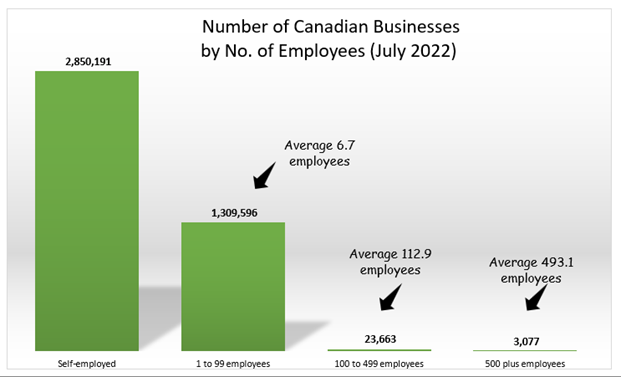
- Ad-hoc systems design for 90% of Canadian businesses with fewer than 10 employees.
- Cost-effective cloud content management systems. Better cloud-based work paper, tax-prep, and video conferencing tools in support of tax and compilation services.